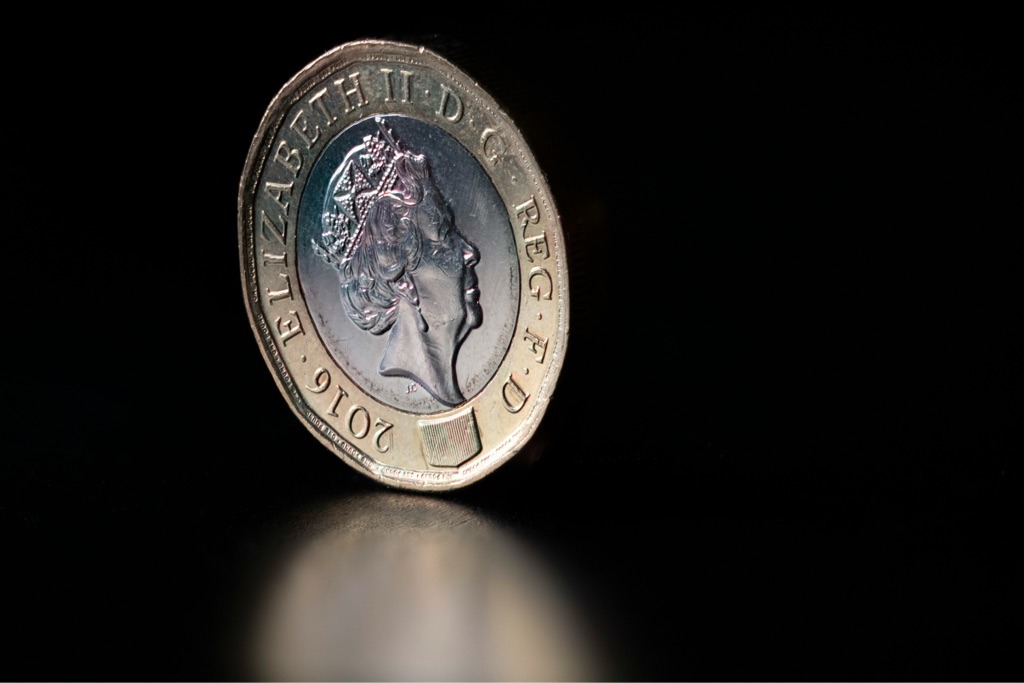
United Kingdom 12-Sided One Pound Coin (2016)
The Royal Mint
Era
2016 — Transition/Introduction Year
Origin
United Kingdom (Llantrisant, Wales)
Maker
The Royal Mint
Condition
Circulated - Good/Extremely Fine. Minor surface abrasions (bag marks) and edge nicks consistent with light usage in commerce. Luster is still present but slightly dulled.
Rarity
Common. Although 2016 was the introductory minting year, hundreds of millions were produced to replace the old round pound coins.
Est. Value
$1.25 - $3.00 USD. In the UK, it is worth its face value (£1). High-grade uncirculated examples or rare error variants command higher premiums.
Heads up: This report is generated by AI and may be inaccurate. It is not a professional appraisal or authentication. For valuable pieces, confirm with a grading service (PSA, PCGS, CGC, NGC). Value estimates are rough market references, not financial advice.
In a Nutshell
A quintessential piece of modern British numismatic history. While not financially valuable today, it represents a major technological leap in minting security and is a staple for any collector of world currency.
Where It Comes From
Introduced to combat widespread counterfeiting of the previous 'round' pound (estimated at 3% of all coins in circulation). The 12-sided design is a nostalgic nod to the pre-decimal 'threepenny bit'.
Things Worth Knowing
This coin is known as the 'most secure coin in the world' due to a hidden 'iBiNS' (Integrated Binational Identification System) material inside the metal that can be scanned by high-speed sorting machines.
What It's Made Of
Bimetallic: Nickel-brass outer ring (gold color) and Nickel-plated alloy inner pill (silver color).
Size & Specifications
Diameter: 23.43mm (point to point), Weight: 8.75g, Thickness: 2.8mm. Featuring a 12-sided 'dodecagon' shape.
Telltale Marks
Obverse: Fifth Portrait of Queen Elizabeth II by Jody Clark (initials 'J.C' below neck). Inscription: 'ELIZABETH II D G REG F D'. Hologram: Alternating '£' and '1' below the portrait. Micro-lettering on the rim.
Edition & Variant
2016 Dated Standard Circulation. While the coin entered circulation in March 2017, minting began in 2016, making this a 'first year of type' date.
Is It the Real Thing?
Highly likely genuine. The image shows the characteristic 'latent image' hologram feature below the portrait, which is a hallmark of the Royal Mint's anti-counterfeit technology. The micro-lettering and bimetallic construction appear consistent with circulation standards.
Versus Known Examples
The design matches exactly with the 'New Pound Coin' specs of 2017. The 2016 date is sought after as the inaugural date, though it remains widely available.
Watch Out For
No significant red flags observed. The bimetallic join is clean and the micro-lettering is sharp, which are difficult for counterfeiters to replicate.
Want It Verified?
NGC or PCGS. However, for a standard 2016 circulation strike, professional grading costs would exceed the value of the coin unless a significant mint error is discovered.
Display & Preservation
Coin capsules or PVC-free flips. Store in a cool, dry place to prevent 'milk spotting' or oxidation of the nickel-brass ring.
Care & Handling
Do not clean. Handling should be by the edges only to avoid transfer of skin oils, which can cause permanent fingerprints over time.
If You Love This, Look For
2017 Nations of the Crown £1, 1983-2016 'Round Pound' series, UK 50p commemorative coins, and the 2023 King Charles III 12-sided pound.
Tracing Its Past
No specific provenance required for modern circulation coins, though 'Mint State' examples in original Royal Mint packaging (Brilliant Uncirculated sets) are preferred by collectors.
Rarity
Common. Although 2016 was the introductory minting year, hundreds of millions were produced to replace the old round pound coins.
Ballpark Value
$1.25 - $3.00 USD. In the UK, it is worth its face value (£1). High-grade uncirculated examples or rare error variants command higher premiums.
How the Market's Moving
The market for 'new' £1 coins is highly active among casual 'change hunters' in the UK. Interest peaks for specific reverse designs (nations of the UK) or low-mintage years like 2023 (King Charles III).
Long-Term Outlook
Low for standard circulated strikes. High for 'mule' errors (mismatched dies) or 'trial pieces' issued to vending machine manufacturers before the official launch.